Top Iron-Rich Foods to Prevent Deficiency
August 27, 2026
Why iron deficiency is so common and so easy to miss
Iron carries oxygen through your blood via hemoglobin, and when you don't get enough, your body can't deliver oxygen efficiently — which shows up as fatigue, brain fog, pale skin, and shortness of breath during normal activity. It's one of the most common nutrient deficiencies worldwide, and it's especially common in menstruating women, endurance athletes, and anyone eating little or no meat, since blood loss and higher iron turnover both increase the amount you need.
The tricky part is that low iron often gets written off as "just being tired" or "needing more sleep," when a simple blood test would catch it. If you're chronically exhausted despite eating and sleeping reasonably well, iron is worth ruling out.
Two kinds of iron, and why the difference matters
Not all dietary iron behaves the same way in your body.
- Heme iron, found in meat, poultry, and fish, is absorbed efficiently — typically 15-35% of what you eat actually gets used.
- Non-heme iron, found in plant foods, is absorbed much less efficiently — often only 2-20%, and that rate is heavily influenced by what else is on your plate.
This doesn't mean plant-based eaters are doomed to low iron. It means non-heme sources need a bit more strategy to work with, covered below.
The best sources, by type
Heme iron (most absorbable):
- Red meat (beef, lamb) — among the most concentrated sources
- Liver — extremely high in iron, if you can stomach it
- Poultry, especially dark meat
- Shellfish, particularly clams, mussels, and oysters
- Fish like sardines and tuna
Non-heme iron (plant-based):
- Lentils and beans — cheap, versatile, genuinely high in iron
- Spinach and other dark leafy greens
- Tofu and tempeh
- Pumpkin seeds
- Fortified cereals and breads (check the label — fortification varies widely)
- Quinoa
The absorption trick that actually matters
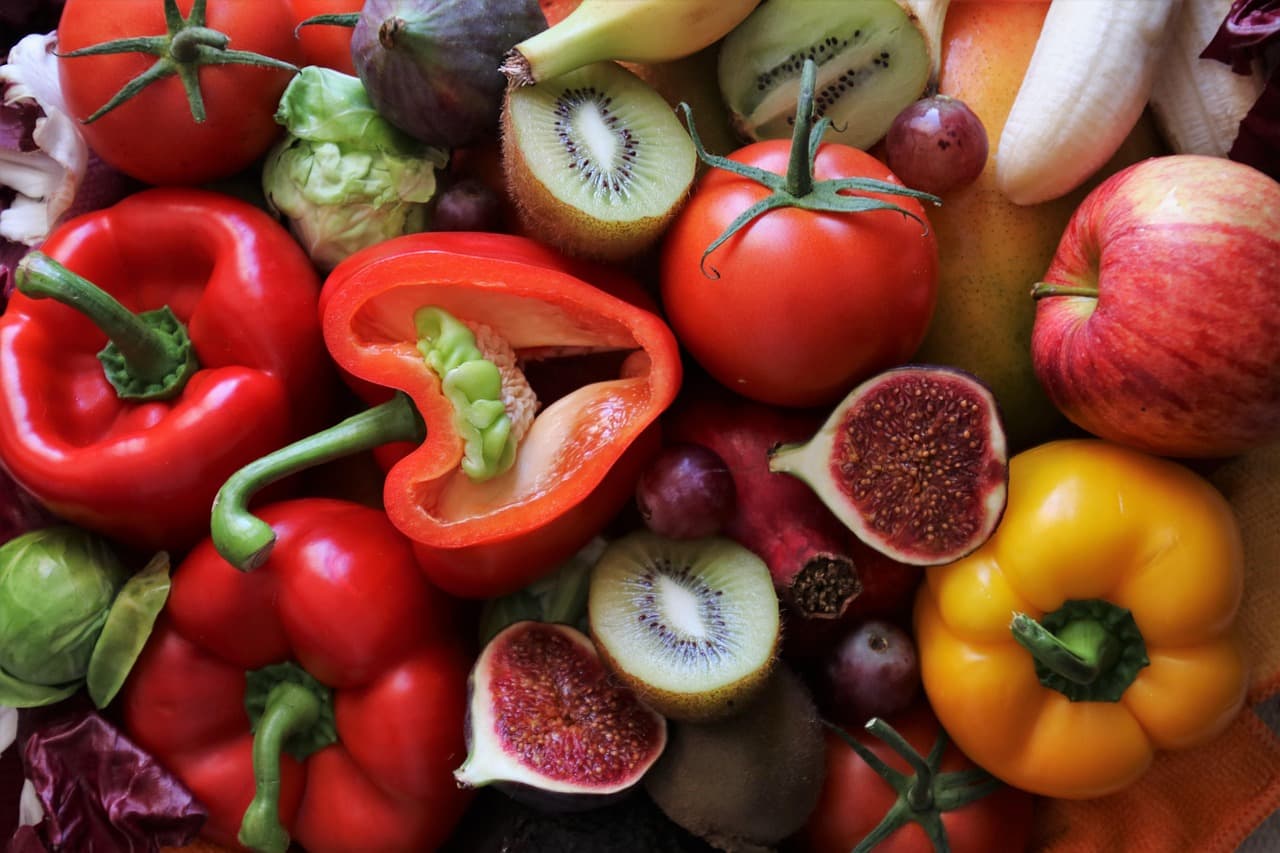
Pairing non-heme iron with vitamin C meaningfully boosts how much your body absorbs — squeeze lemon over spinach, add bell peppers to a lentil dish, or have a glass of orange juice alongside an iron-rich meal. This single habit can make a real difference for anyone leaning on plant sources.
On the flip side, a few things block iron absorption if consumed at the same meal:
- Coffee and tea — the tannins bind to iron and reduce uptake. Having your coffee an hour before or after an iron-rich meal, rather than with it, avoids most of the effect.
- Calcium — competes with iron for absorption, so a big glass of milk with an iron-rich dinner isn't ideal, though it's not something to obsess over at every meal.
- Excess fiber from supplements (not whole food) can also interfere in large amounts.
None of this means avoiding coffee or dairy — it just means timing them a bit apart from your main iron sources if you're actively trying to raise your levels.
Who should pay closer attention
Some groups have meaningfully higher iron needs or higher risk of running low:
- Menstruating women — regular blood loss increases requirements substantially compared to men.
- Pregnant people — iron needs roughly double to support increased blood volume.
- Endurance athletes — training can increase iron losses through sweat, urine, and a phenomenon called foot-strike hemolysis from repetitive impact.
- Vegetarians and vegans — non-heme iron's lower absorption rate means plant-based eaters often need to target a higher intake to land in the same place.
- Frequent blood donors — each donation removes a meaningful amount of iron that takes time to replace.
If you fall into one of these groups and notice persistent fatigue, it's worth asking a doctor for a ferritin test rather than guessing.
Making it a habit, not a fix
Iron isn't something to cram in for a week and forget — it's a nutrient your body needs consistently, and deficiency builds up slowly over weeks or months of falling short. The most sustainable approach is picking a few iron-rich foods you actually like and building them into your normal rotation, rather than choking down liver once because you read it's high in iron.
If you're logging meals, it's easy to eat the same handful of dinners on repeat and never notice that iron-rich foods have quietly dropped out of the rotation. Scanning back through a couple of weeks of logged meals in something like Calerio is a fast way to check whether iron sources are actually showing up regularly, rather than assuming they are.