Sodium and Electrolytes: What You Actually Need
August 27, 2026
Sodium isn't the villain it's made out to be
Sodium gets treated like a substance to minimize at all costs, but it's an essential electrolyte — your body needs it to regulate fluid balance, transmit nerve signals, and contract muscles. The actual problem isn't sodium itself, it's that the typical modern diet, loaded with processed and restaurant food, delivers far more of it than most people need, mostly without anyone choosing it on purpose.
A general target for most healthy adults is under 2,300mg a day (roughly a teaspoon of salt), though official guidance varies by country and by individual health status. Most people eating a standard diet land well above that — often 3,000-4,000mg — not because they're salting their food heavily, but because sodium is baked into packaged and restaurant food before it ever reaches the table.
Where it's actually hiding
The salt shaker is responsible for less of your sodium intake than you'd think. The bigger sources:
- Bread and baked goods — not salty-tasting, but consumed in large enough quantities to add up fast
- Deli meats and cured meats
- Canned soups and broths
- Sauces and condiments — soy sauce, salad dressing, ketchup, marinades
- Restaurant and fast food — often carries a full day's sodium in one meal
- Cheese
- Frozen meals and packaged snacks
This is why cutting back on sodium rarely means "put the shaker away." It means paying attention to processed and restaurant food, where the real volume comes from.
The other electrolytes worth knowing
Sodium doesn't work alone — it's part of a small team of electrolytes that regulate fluid balance and muscle function together.
- Potassium — works opposite sodium in a lot of ways, helping regulate blood pressure and fluid balance. Bananas get the credit, but potatoes, beans, yogurt, and leafy greens carry more per serving than people expect. Most people fall short of potassium far more often than they fall short of sodium.
- Magnesium — involved in muscle function, energy production, and sleep quality. Found in nuts, seeds, whole grains, and dark chocolate.
- Calcium — mostly known for bones, but also plays a role in muscle contraction and nerve signaling.
- Chloride — travels alongside sodium (as in "sodium chloride," table salt) and helps maintain fluid balance too.
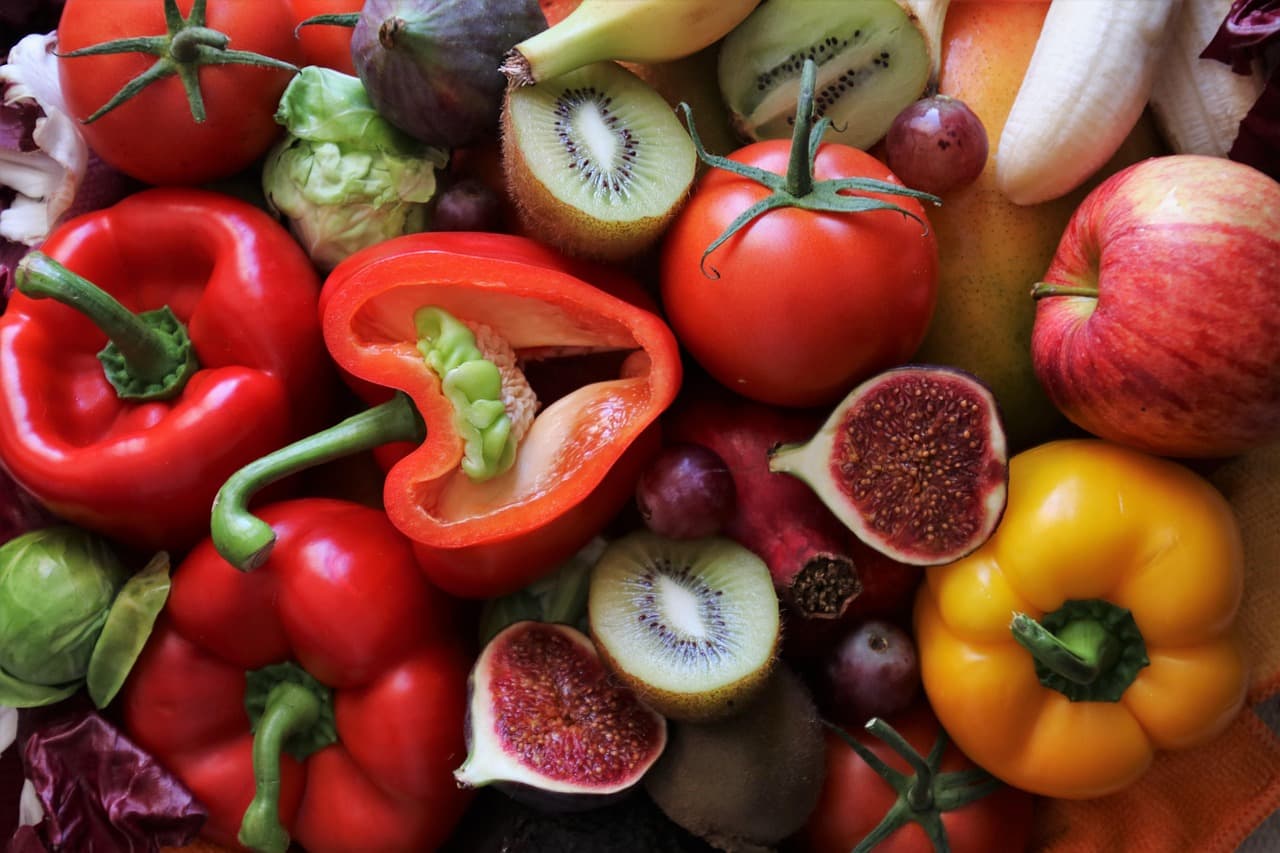
The practical takeaway isn't to obsess over each one individually — it's that a diet built around whole foods (vegetables, fruit, legumes, dairy, nuts) tends to deliver these in reasonable balance, while a diet built around packaged and processed food tends to overload sodium while under-delivering potassium and magnesium.
When you actually need more, not less
Sodium needs aren't fixed — they shift with how much you sweat and how hard you train.
- Heavy sweating (hot weather, intense or long-duration exercise) increases sodium loss, and replacing it matters for endurance performance and avoiding cramping or, in extreme cases, a dangerous dilution called hyponatremia from drinking plain water without replacing electrolytes.
- Long training sessions (over roughly 60-90 minutes, especially in heat) are where electrolyte drinks or salted snacks genuinely earn their place — not for a normal 30-minute walk.
- Low-carb or ketogenic diets often need more added sodium early on, since these diets naturally flush more sodium through the kidneys, which is part of why people report headaches and fatigue in the first week or two.
For most people doing normal daily activity and moderate exercise, plain water and a regular diet cover electrolyte needs fine — sports drinks and electrolyte tablets are a solution for a smaller, more specific set of situations than their marketing suggests.
Finding your own balance
The honest, unglamorous answer is that most people don't need to fear salt, track it obsessively, or buy specialty electrolyte products — they need to eat more whole foods and fewer heavily processed ones, which naturally moves sodium and potassium back toward a healthier ratio without any conscious counting. If you have high blood pressure or a related medical condition, sodium is worth tracking more deliberately, ideally with guidance from a doctor.
For everyone else, the practical move is simply noticing where your sodium is actually coming from — which is often invisible unless you're looking. Scanning a barcode on packaged food in something like Calerio surfaces the real sodium number instead of you guessing based on taste, which is often a poor judge of what's actually in a product.