How Hydration Really Affects Weight Management
August 27, 2026
Where Water Fits Into the Picture
Hydration doesn't get much attention compared to protein targets or calorie counts, but it quietly affects almost everything involved in managing weight: energy levels, workout performance, digestion, and even your ability to tell hunger from something else. None of this means water is a weight-loss trick. It's more like sleep — not glamorous, but it makes the rest of your effort work better or worse depending on whether you're getting enough.
The honest starting point is that there's no universal number that applies to everyone. Fluid needs shift with your body size, the climate you live in, how much you sweat, what you eat (produce-heavy diets already deliver a lot of water), and how active you are. A warehouse worker in July and someone at a desk in a mild climate are not the same case, and treating a generic "drink this many liters" rule as gospel usually just leads to people either underdrinking or obsessively overdrinking. Your own cues — pale-yellow urine, steady energy, not feeling parched — are a better guide than a fixed target pulled from an app or an influencer.
Thirst and Hunger Share Wiring
One place hydration genuinely intersects with eating: thirst and hunger signals both originate in overlapping parts of the brain, and it's common to misread mild dehydration as a craving for food. This isn't some guaranteed trick where every craving is secretly thirst — that's an oversimplification that gets repeated a lot. But if you're already dehydrated (skipped water most of the day, just finished a workout, it's hot out), it's worth considering that a glass of water might actually be what your body's asking for, especially if the "hunger" doesn't feel tied to a specific food you're craving.
A useful habit isn't forcing yourself to drink instead of eating — it's just building enough hydration awareness that you're not making food decisions on autopilot while thirsty. That's a small edge, not a diet strategy.
Water Before Meals: A Modest, Real Effect
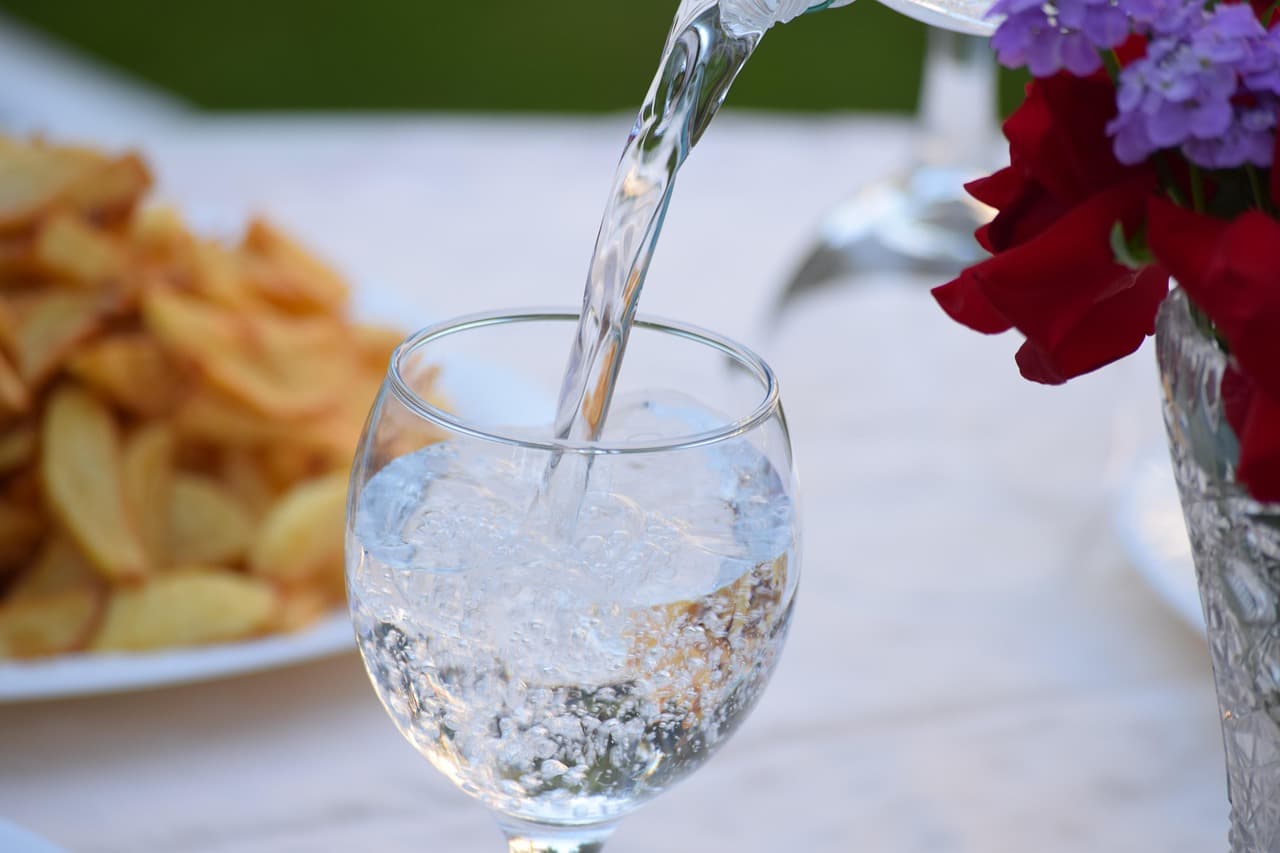
There is a genuinely observed effect where drinking water shortly before a meal can increase feelings of fullness and modestly reduce how much you eat at that sitting. It works partly through simple stomach distension — water takes up physical space — and it seems to matter more for some people than others, particularly older adults, and more at some meals than others.
The important caveat: this is a small, person-dependent effect, not a lever that reliably produces weight loss on its own. If you drink a big glass of water and then eat exactly what you were going to eat anyway, nothing happens. If it nudges you to stop a little earlier because you're comfortably full, that's a genuine but modest win — the kind of thing that helps at the margins over months, not a shortcut that replaces attention to what and how much you're actually eating.
Other Ways Hydration Shows Up in Your Results
A few practical, less-hyped ways hydration status affects weight management efforts:
- Workout quality: even mild dehydration measurably reduces exercise performance and endurance, which matters if activity is part of your plan.
- Energy and motivation: low-level dehydration commonly shows up as fatigue or brain fog, which makes it easier to skip workouts or reach for quick, calorie-dense food for an energy boost.
- Digestion and regularity: adequate fluid intake supports normal digestion, which matters when you've increased fiber intake (a common side effect of eating more vegetables and whole foods).
- Reading the scale accurately: day-to-day water retention — from sodium intake, hormonal cycles, heat, or recent exercise — can shift the number on the scale by a pound or two in either direction. Chalking every fluctuation up to "fat gained" or "fat lost" when it's really water is one of the most common reasons people get discouraged by short-term weigh-ins.
Building a Habit Instead of a Rule
Rather than chasing a specific volume, a few habits tend to work better in practice: keep water visible and accessible (a bottle at your desk beats a fridge across the room), drink a glass with meals as a default rather than an afterthought, and pay attention to context — you'll need more on hot days, travel days, or heavier training days, and less on quiet, cool ones.
If you're already tracking meals, it's worth also glancing at your water intake alongside it. Calerio logs both food and water in the same place, so you can start noticing your own patterns — like whether low-water days tend to line up with days you overeat or feel wiped out — instead of guessing. That kind of personal pattern is far more useful than any generic hydration rule, because it's actually about how your body responds, not a number borrowed from someone else's routine.