Hidden Calories in Everyday Drinks
August 25, 2026
You log your lunch, you log your dinner, and somehow the number on the scale doesn't match the effort. Drinks are usually the reason. They don't feel like food, so your brain doesn't file them the same way — but a few of them can carry as many calories as an actual meal, and most people never write them down.
Why drinks don't register as "eating"
Liquid calories skip the part of your brain that tracks fullness. A 500-calorie sandwich makes you feel like you ate something. A 500-calorie smoothie or a couple of glasses of wine can slide by without registering at all, because chewing and swallowing solid food trigger satiety signals that sipping doesn't. That's not a willpower problem — it's just how appetite regulation works. The practical result is that drinks are the easiest place to lose track of your day without noticing.
What's actually in the cup
Here's roughly where common drinks land. Sizes and recipes vary a lot, so treat these as typical ranges, not exact numbers:
- Black coffee or plain tea — basically free, under 5 calories either way.
- Latte or cappuccino (medium, whole milk) — usually in the 150-220 range, mostly from the milk.
- Flavored coffee drinks (caramel macchiato, mocha, frappuccino-style) — often 300-500+ for a large, since syrup and whipped cream stack on top of the milk.
- Orange juice or apple juice (8 oz) — typically 110-120 calories, with close to the sugar of a can of soda but none of the fiber a whole piece of fruit would give you.
- Regular soda (12 oz can) — usually 140-180 calories, all from sugar.
- Sports drinks (20 oz bottle) — often around 120-150 calories, easy to drink without thinking since they're marketed as "for hydration."
- Energy drinks — anywhere from near-zero (sugar-free versions) to 200+ for full-sugar large cans.
- Beer (12 oz) — typically 150-200 calories depending on style; craft and high-ABV beers can run well past that.
- Wine (5 oz glass) — usually 120-130 calories, though a generous home pour is often closer to 8-9 oz.
- Mixed cocktails — a simple two-ingredient drink might be 150-200 calories, but anything with juice, syrup, or cream (margaritas, piña coladas, White Russians) can hit 400-600.
- Smoothies (16 oz, especially bought rather than homemade) — deceptively high, often 300-500 calories once you add nut butter, granola, or a sweetened base.
- Bottled iced tea or "healthy" flavored waters — many still carry 100-150 calories per bottle if they're sweetened, even when the label leans on words like "natural" or "light."
Why it adds up faster than food
The issue isn't any single drink — it's frequency. A pastry is a once-in-a-while thing for most people. A daily latte, a couple of sodas at lunch, or a glass or two of wine most evenings is a habit, and habits compound. Two flavored coffees a day can quietly add up to 700-1000 calories before you've eaten anything. A nightly glass of wine is a modest 120 calories in isolation, but over a month that's the equivalent of several extra meals. None of this means cutting drinks out entirely — it means knowing what they cost so you can decide where you actually want to spend your calories.
A few swaps that don't feel like a downgrade
- Ask for a splash of milk instead of it filling a third of the cup, or switch to a lower-fat option — the flavor difference is smaller than you'd expect.
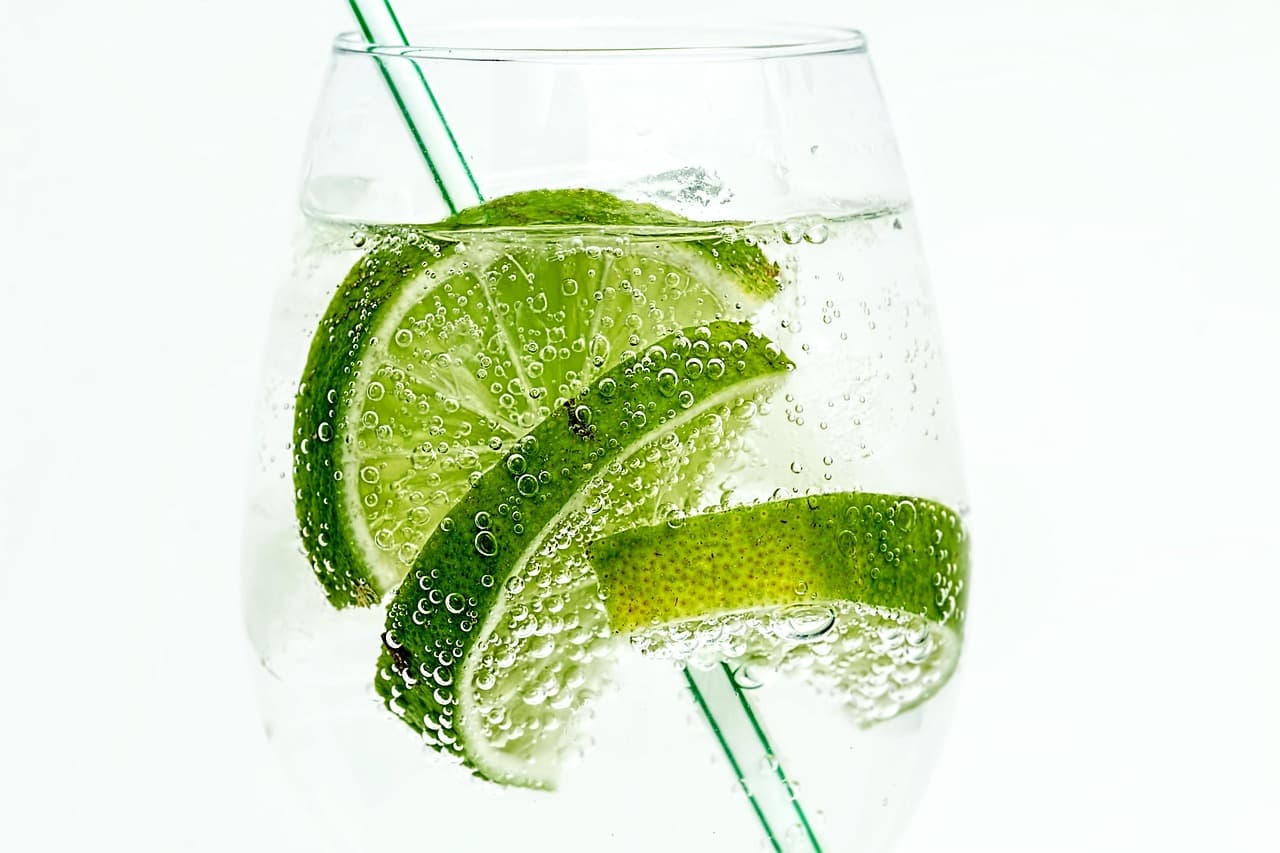
- Cut sweetened drinks with sparkling water — half a soda and half seltzer still tastes like soda.
- Order cocktails with a splash of juice rather than a full pour, or go for spirit-and-soda over anything blended or creamy.
- Eat the fruit instead of drinking it. You get the fiber and you actually feel full.
- Treat smoothies as a meal, not a snack, if you're adding protein powder, nut butter, or oats — because calorically, that's what they are.
Keeping score without obsessing over it
You don't need to memorize calorie counts for every drink at every coffee shop — that's not realistic and it's not the point. What actually helps is being able to check in occasionally: snap a photo of your meal or drink in Calerio and get a quick estimate of what it's costing you, or scan the barcode on a bottled drink for an exact number. It's less about restriction and more about not being surprised. Once you can see the pattern — that the afternoon frappuccino habit is worth more than dessert — you get to choose it on purpose instead of by accident.