Fiber 101: Why It Matters More Than You Think
August 27, 2026
The nutrient everyone forgets
Protein gets all the attention. Fat and carbs get debated endlessly. Fiber just sits there, quietly doing more for your health than almost anything else on your plate — and quietly being ignored by most people's diets.
Fiber is the part of plant food your body can't digest. That sounds like a downside. It's actually the whole point. Because it passes through mostly intact, it does things digestible nutrients can't: it feeds your gut bacteria, slows down how fast sugar hits your bloodstream, adds bulk that keeps digestion regular, and — this is the one people care about most — it makes meals more filling per calorie than almost any other food property.
A commonly cited target is somewhere in the 25-38g per day range, depending on your age and sex. Most people eating a typical modern diet land well short of that, often by half. Not because they're doing anything unusually wrong, but because fiber-rich foods take more effort than the convenient alternatives: whole fruit instead of juice, oats instead of a pastry, beans instead of a slice of bread. None of that is a moral failing. It's just what happens when convenience food is optimized for shelf life and taste, not fiber content.
What it actually does for you
A few things fiber does that are worth knowing, not because you need to memorize the biology, but because they explain why it's worth the effort:
- Keeps you full longer. Fiber adds volume without adding many calories, and it slows stomach emptying. This is a big part of why a bowl of oatmeal keeps you satisfied for hours while a donut with similar calories doesn't.
- Smooths out blood sugar. Soluble fiber slows the absorption of sugar into your bloodstream, which means fewer sharp spikes and crashes — and less of the hunger that follows a crash.
- Feeds your gut microbiome. Fiber is what gut bacteria actually eat. A healthier gut microbiome has been linked to everything from digestion to immune function to mood, and fiber is the raw material that keeps it running.
- Supports regularity. This is the one nobody wants to talk about at dinner, but it's real: adequate fiber intake is one of the simplest ways to keep digestion consistent.
- Helps with long-term heart and metabolic health. Certain types of fiber, particularly the soluble kind found in oats and legumes, are associated with healthier cholesterol levels over time.
The fullness effect alone is worth paying attention to if you're trying to manage your weight. A high-fiber meal at 500 calories can feel more satisfying than a low-fiber meal at 700. If you're tracking calories and constantly feeling hungry despite hitting your numbers, fiber is one of the first things worth checking.
Soluble vs. insoluble (the short version)
You don't need a biology lesson, but it helps to know there are two broad types. Soluble fiber dissolves in water and forms a gel-like substance — found in oats, beans, apples, and citrus. It's the one most linked to blood sugar control and cholesterol. Insoluble fiber doesn't dissolve and adds bulk to digestion — found in whole grains, nuts, and vegetable skins. It's the one most linked to regularity. Most whole foods contain a mix of both, so you don't need to track them separately. Just eating a variety of plant foods covers you.
Foods that actually move the needle
Rather than obsessing over grams, it's more useful to think in terms of swaps and additions. Some genuinely high-fiber foods worth building meals around:
- Legumes: lentils, black beans, chickpeas, kidney beans — some of the highest fiber-per-calorie foods that exist
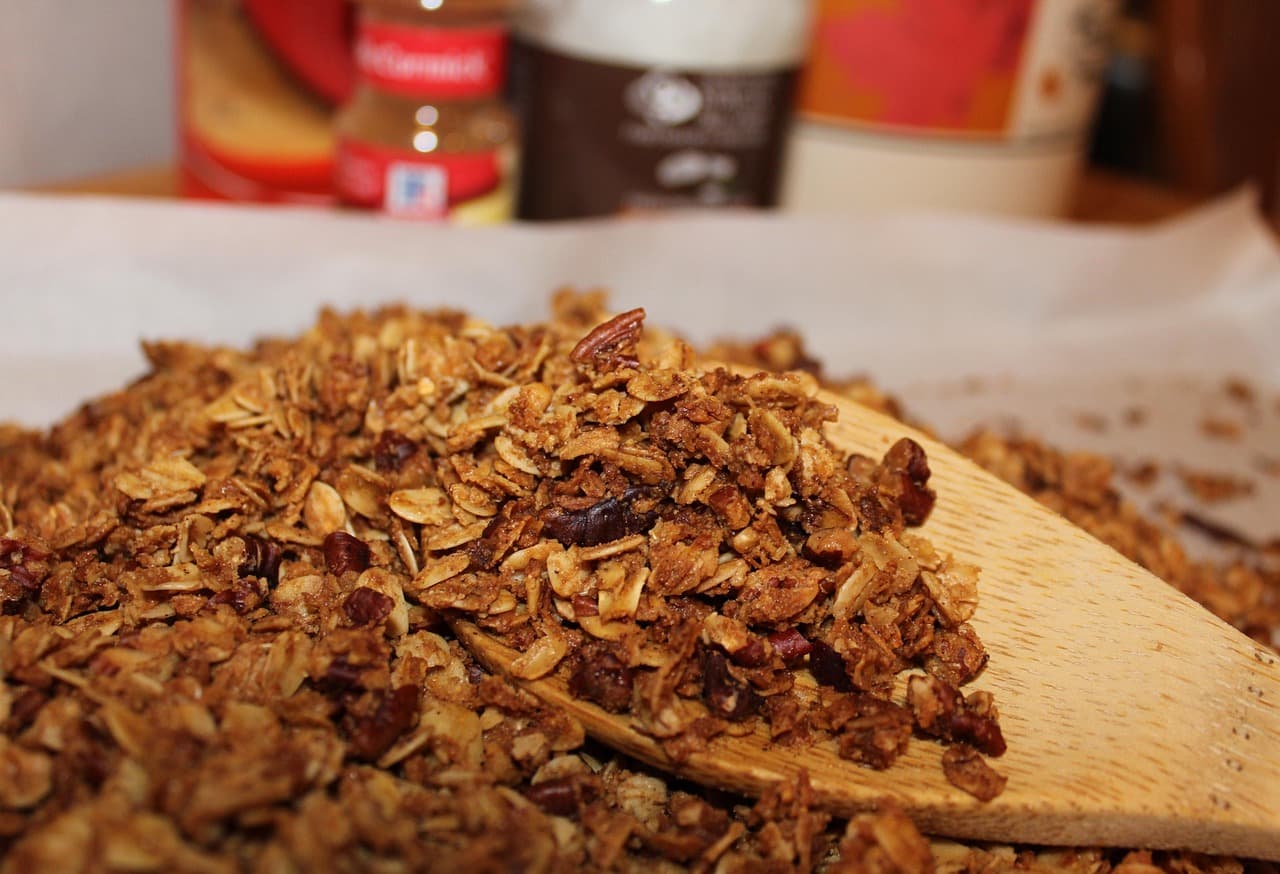
- Whole grains: oats, quinoa, barley, brown rice, whole wheat bread and pasta
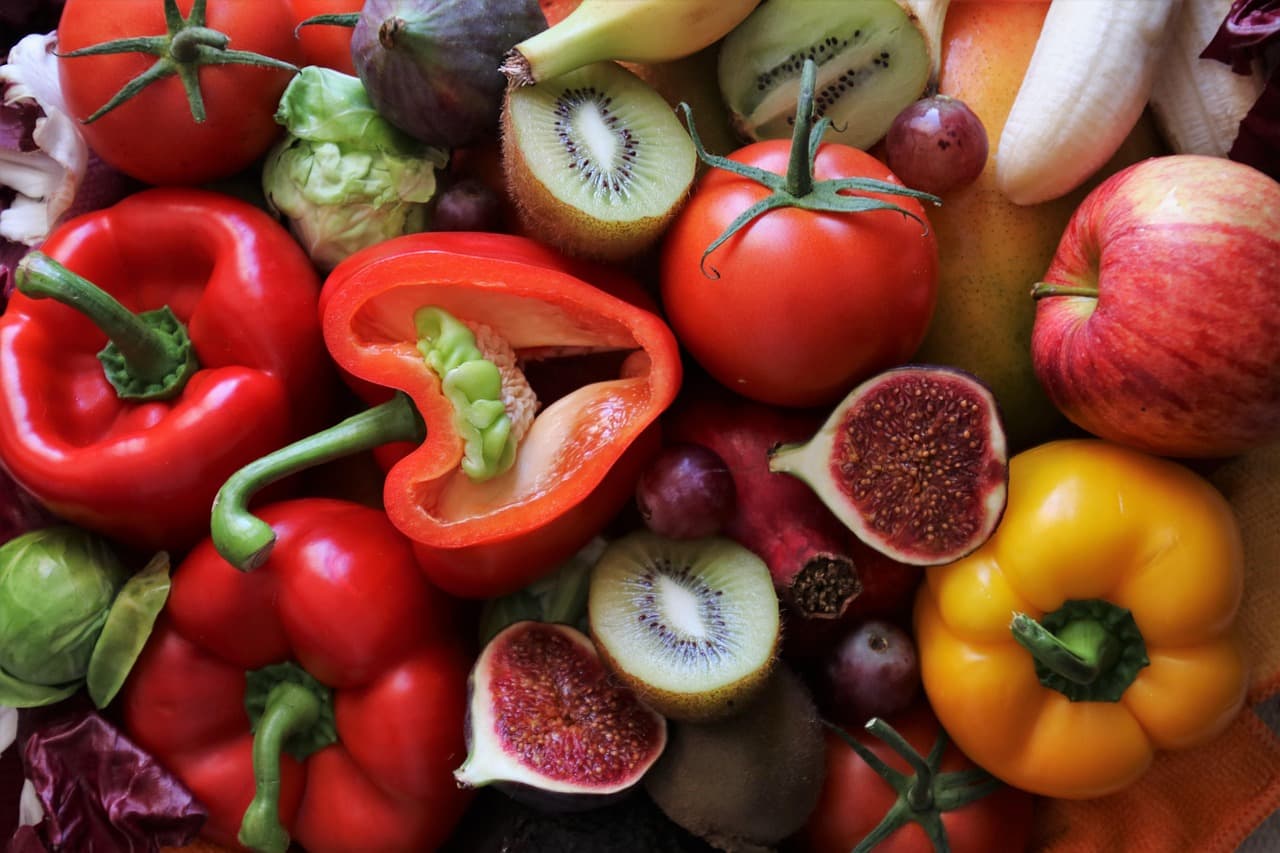
- Fruit with the skin on: apples, pears, berries, figs — the skin is where a lot of the fiber lives
- Vegetables: broccoli, Brussels sprouts, artichokes, carrots, peas
- Nuts and seeds: chia seeds, flaxseed, almonds, and pistachios
- Starchy staples: sweet potatoes with the skin, whole-grain bread instead of white
You don't need to eat all of these daily. A realistic pattern looks like: oats or whole-grain toast at breakfast, a legume-based lunch a few times a week, fruit as a snack instead of something processed, and vegetables filling out dinner. Small swaps compound fast — switching from white rice to lentils a few times a week can close most of the gap on its own.
The catch: go slow
If you're currently eating well below the target and decide to fix it overnight, your gut will let you know it's unhappy. Bloating and discomfort are common when fiber intake jumps too fast, mostly because your gut bacteria need time to adjust to the new fuel. Increase gradually over a couple of weeks, and drink more water as you do — fiber needs water to do its job properly, and skipping that step is the main reason people blame fiber for digestive issues that are really just a pacing problem.
Making it visible
The hardest part of fixing a fiber gap is that it's invisible. Calories and protein get tracked constantly; fiber almost never does, which is exactly why the shortfall persists for so long without anyone noticing. If you're logging meals in Calerio, keeping an eye on fiber alongside calories and macros is an easy way to see whether your actual eating pattern matches what you think it does — and to catch the gap before it becomes a habit.
Fiber isn't glamorous, and it's never going to have the marketing budget that protein does. But gram for gram, it might be doing more for how you feel day-to-day than anything else on your plate.