Muscle vs Fat: Why the Scale Can Lie to You
August 25, 2026
You've been eating better, moving more, maybe lifting weights for the first time. Weeks pass. You step on the scale expecting a reward and get... nothing. Or worse, the number went up. This is the moment most people quit, and it's almost always based on a misreading of what the scale can actually tell you.
A scale measures one thing: total mass pulled down by gravity. It has no idea whether that mass is water, muscle, fat, food still in your stomach, or the extra blood volume your body builds when you start training. It cannot distinguish a body that's losing fat and gaining muscle from one that's just sitting still. That's not a flaw in the scale — it's just not the tool for the question you're actually asking, which is usually "am I getting healthier and leaner?"
Muscle and fat aren't interchangeable
Here's the part that trips people up: a pound of muscle and a pound of fat weigh exactly the same. A pound is a pound. What differs is density — muscle tissue is more compact than fat tissue, so a pound of muscle takes up noticeably less space in your body than a pound of fat. This is why two people at the same height and weight can look completely different, and why you can drop a pants size while the scale barely moves.
This matters most when you're new to strength training. Beginners — especially those also eating in a calorie deficit — can build muscle and lose fat at the same time. It's called body recomposition, and it's real, though it slows down considerably once you're not a beginner anymore. During this phase, the scale is doing its worst work: it's averaging two opposite trends into one number that tells you almost nothing.
There's also simpler, less exciting stuff that moves the scale day to day and has nothing to do with fat: sodium intake, carb intake (carbs are stored with water, so a higher-carb day can mean a heavier day), hormonal cycles, hydration, how much food is physically in your gut, even how much you slept. None of that is fat gain. All of it can make a single scale reading a bad data point.
What actually tells you the story
If the scale alone isn't enough, here's what to lean on instead:
- Weight trend, not single readings. Weigh yourself daily (or don't weigh daily at all) but judge yourself on the 7-14 day average, not any one morning. Trends smooth out the noise.
- How clothes fit. A snugger shirt in the chest and shoulders with looser pants is a classic sign of recomposition that the scale will completely miss.
- Progress photos, taken in consistent lighting and clothing every couple of weeks. Your eyes catch shape changes that a number can't.
- Strength in the gym. If you're lifting more weight or more reps over time while your weight holds steady, you're very likely building muscle.
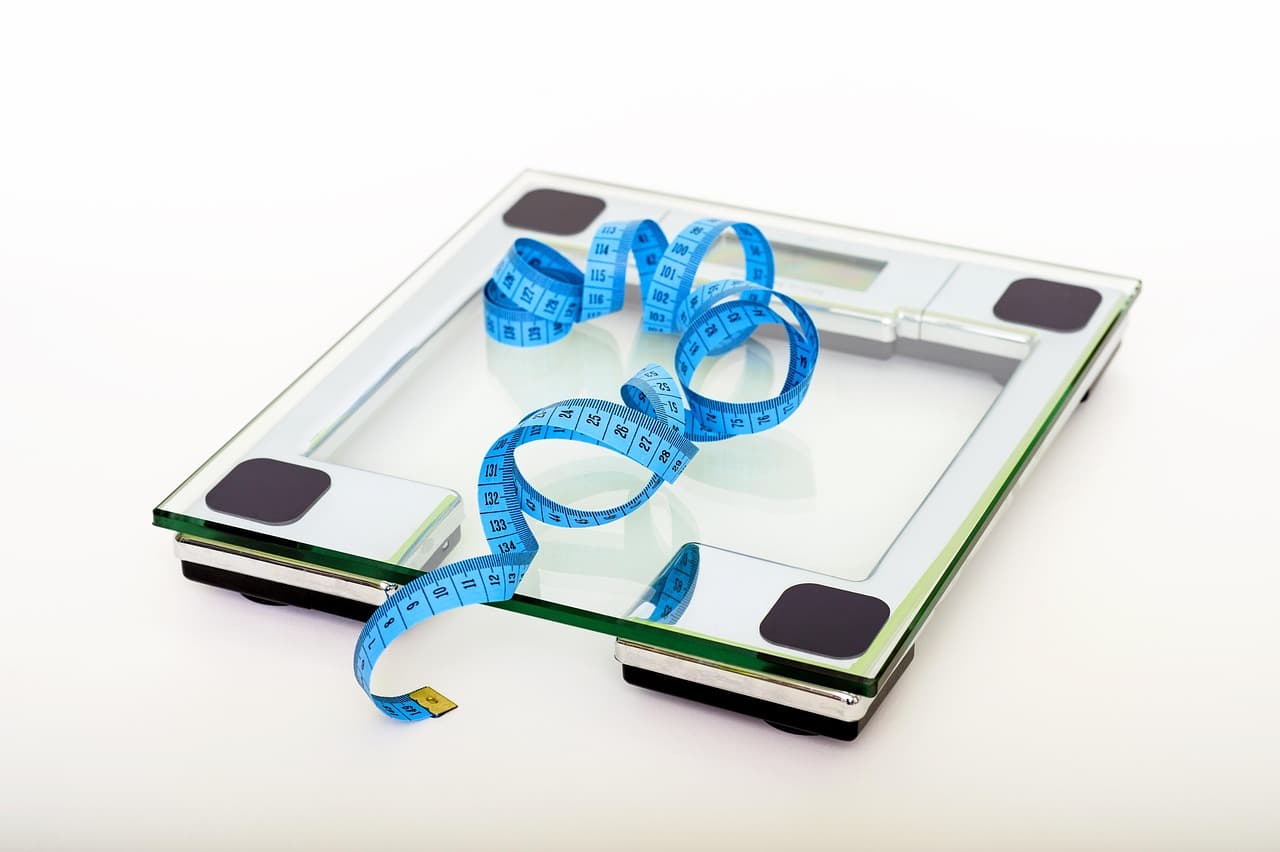
- A tape measure, at the waist especially. Waist circumference dropping while body weight holds is a strong recomposition signal.
- Energy levels. Sounds soft, but consistently sleeping and feeling better on the same or lower calories is meaningful data.
No single one of these is perfect either — that's the point. Combined, they paint a much more honest picture than a single number ever could.
What this means for how you actually eat
The practical takeaway isn't "ignore the scale forever." It's that the scale is one input, not the verdict. If you're strength training, chasing a falling number every single week can actually work against you — you might end up under-eating protein and calories in a way that costs you muscle instead of fat, which is the opposite of what most people actually want when they say they want to "lose weight."
Protein matters more here than most people realize. It's the raw material for the muscle you're trying to keep or build, and it's also the macro most people under-eat when they're focused purely on cutting calories. If two people eat the same calories but one eats meaningfully more protein and trains with resistance, they will not end up looking the same, even if the scale says otherwise for a while.
This is really where tracking pays off — not the scale in isolation, but the combination of trend weight, protein intake, and consistency over time. An app like Calerio, which logs your meals from a photo and tracks both your weight trend and your protein alongside it, makes it easier to see that bigger picture instead of overreacting to one morning's number.
The scale isn't lying to you out of malice. It's just answering a much narrower question than the one you're really asking. Ask the better question — am I building the body I want — and you'll need more than one number to answer it.