Walking for Weight Loss: Is It Underrated?
August 25, 2026
The Exercise That Doesn't Feel Like Exercise
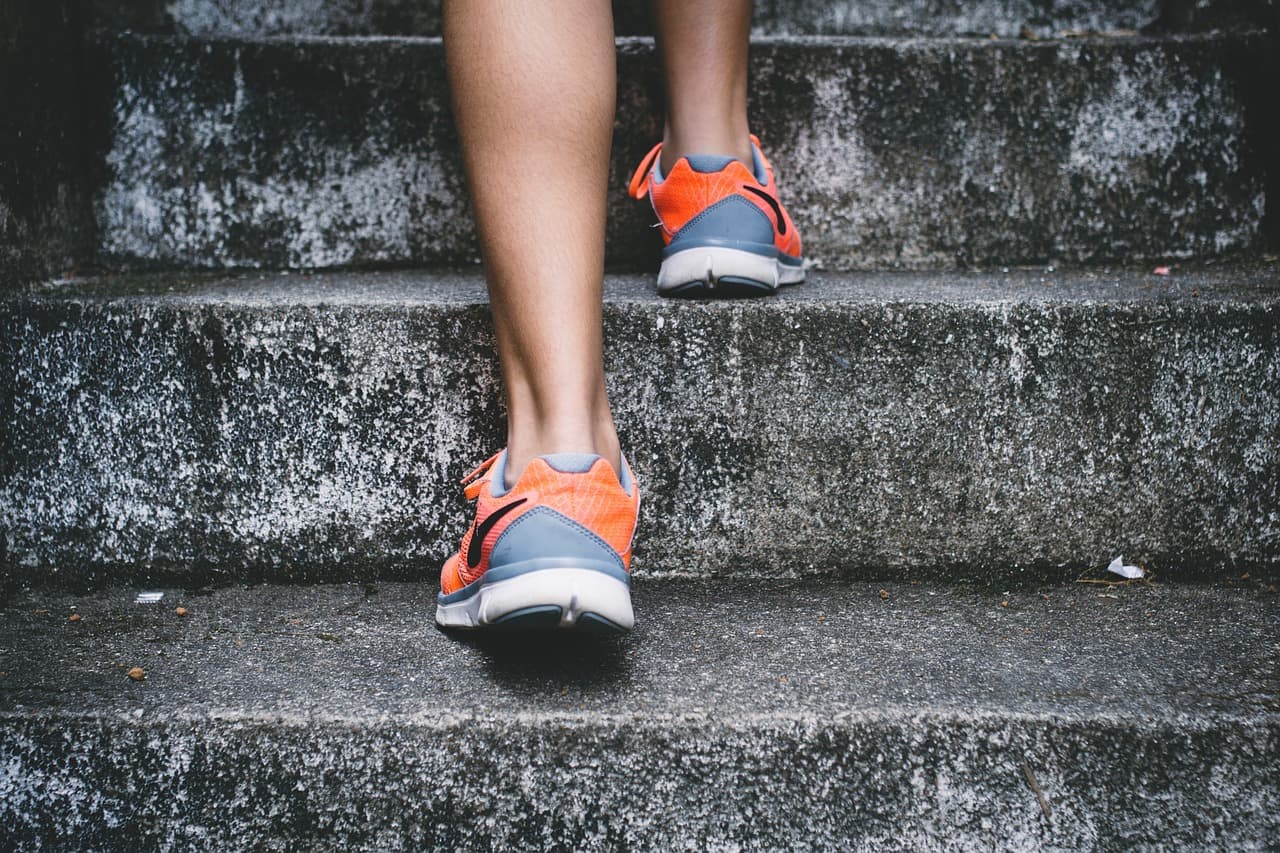
Walking has an image problem. It's not intense enough to post about, it doesn't leave you sore, and it doesn't feel like it "counts" the way a hard gym session does. So most people file it under warm-up activity and chase harder workouts instead — then wonder why the scale won't budge.
Here's the case for taking it more seriously: walking is one of the few forms of movement you can do daily, for a long time, without your body fighting back. It doesn't spike your appetite the way brutal workouts sometimes do, it doesn't require recovery days, and it doesn't hurt. That combination — low cost, high frequency — is exactly what weight loss actually rewards.
Why It Adds Up More Than You'd Guess
Weight loss comes down to a calorie gap over time, and there are two ways to create movement-based calorie burn: structured exercise (the gym session, the run) and everyday movement — walking to the store, pacing during a call, taking the stairs. The second category has a name: NEAT, or non-exercise activity thermogenesis. It's easy to dismiss because no single instance of it feels significant. But it's also the part of your day that repeats constantly, while a workout is one hour out of twenty-four.
A lot of people who "exercise but don't lose weight" have a hidden pattern: they train hard for 45 minutes and then sit for the other 15+ waking hours, sometimes moving less on workout days because they feel they've "earned" the rest. Walking doesn't really compete with this pattern — it fills it. You can walk while you're already doing something else: taking a call, listening to a podcast, decompressing after work.
It's Also the Habit That Doesn't Burn You Out
The best exercise for weight loss is the one you'll actually keep doing in six months, and walking wins that contest more often than intense training does, for a few practical reasons:
- No equipment or gym membership required — you can do it anywhere, in normal clothes.
- Low injury risk, so it doesn't get derailed by a bad knee day or a busy week.
- Doesn't compete with your energy for other things — you can walk and still have the willpower left to cook a decent dinner instead of ordering out exhausted.
- Stackable with real life — errands, commuting, dog walks, and phone calls all become opportunities instead of separate "workout time" you have to carve out.
That last point matters more than people give it credit for. The habits that survive a busy month are the ones that don't need a special block of time.
Where Walking Actually Fits Best
Walking isn't a replacement for strength training if your goal includes building or preserving muscle — those are different tools for different jobs. But for the specific goal of creating a consistent calorie deficit without constant hunger and burnout, walking is doing more heavy lifting than most people assume, especially as a way to close the gap on days when structured workouts don't happen.
A few ways to fold in more of it without turning it into a chore:
- Take one call a day on foot instead of at your desk.
- Park or get off transit one stop farther than you need to.
- Walk after meals — even 10 minutes helps digestion and adds to your daily total.
- Set a loose step target, not a rigid one, so a low day doesn't feel like failure.
- Turn errands into the workout rather than driving for things within 15-20 minutes on foot.
None of these require planning a session. They just require noticing the moments in your day where you'd normally choose the more sedentary option.
The Honest Caveat
Walking alone won't outrun a diet that's consistently too far above your needs — no amount of steps fixes that. It works best as one lever alongside eating in a way that fits your goals, not as a substitute for paying attention to what you eat. The two reinforce each other: showing up for a walk makes it easier to make a decent food choice afterward, and eating in a way that keeps your energy up makes it easier to want to move in the first place.
This is really where the bigger picture matters more than any single number. If you're logging meals with something like Calerio, syncing your steps and activity from Apple Health alongside your food gives you a clearer sense of how your daily movement and your eating actually add up together, instead of guessing at either one in isolation.
So is walking underrated? Probably — not because it's some secret hack, but because it's unglamorous enough that people overlook how much of their day it can quietly cover. It won't make for an impressive workout story, but it's one of the few habits that's genuinely hard to fail at.