Budget-Friendly High-Protein Meals
August 25, 2026
Protein Doesn't Have to Be Expensive
The protein aisle is designed to make you think you need $12 grass-fed steaks or $50 tubs of powder to hit your numbers. You don't. Some of the cheapest foods in any grocery store — eggs, canned fish, dried beans, chicken thighs — are also among the most protein-dense per dollar. The expensive stuff (fresh salmon, protein bars, pre-cooked chicken strips) mostly buys you convenience or flavor, not extra protein efficiency.
If you're trying to hit a daily protein target without blowing your food budget, the strategy is simple: build meals around a short list of workhorse ingredients, and treat pricier proteins as occasional additions rather than the foundation.
The Cheapest Protein Sources Worth Stocking
These are consistently good value across most regions and stores, even accounting for price swings:
- Eggs — probably the single best protein-per-dollar food that exists. Versatile, quick to cook, and nutritionally complete.
- Canned tuna and sardines — shelf-stable, needs zero prep, and sardines throw in calcium and omega-3s as a bonus.
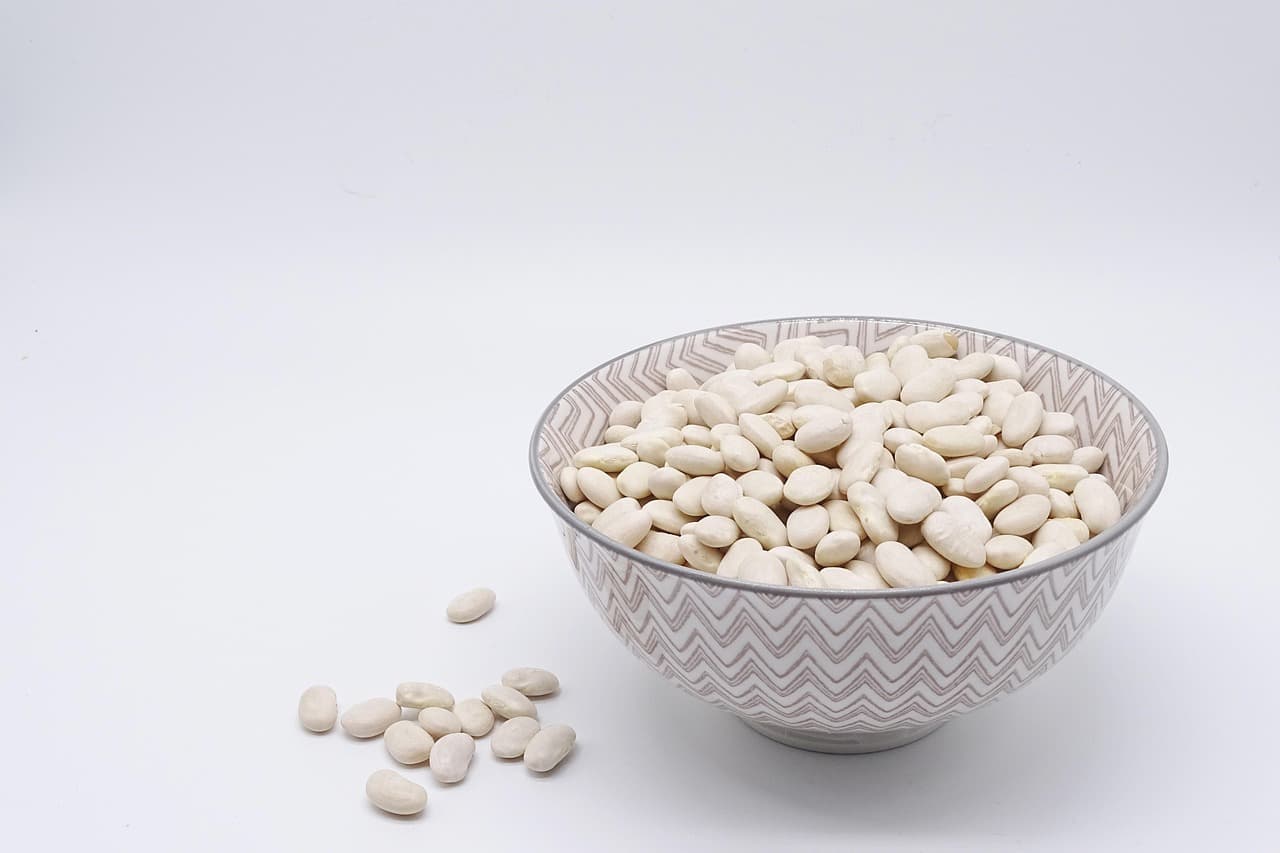
- Lentils and dried beans — cheap, filling, high in fiber, and they store almost indefinitely. Not a complete protein on their own, but pair well with rice or bread.
- Chicken thighs — usually noticeably cheaper than breast per pound, and harder to overcook into dryness. The extra fat isn't something to fear.
- Cottage cheese — high in protein, low effort, and the fastest thing to add to a meal when you're short on your target for the day.
- Tofu and tempeh — cheap per gram of protein, absorb whatever flavors you cook them in, and last a long time in the fridge.
- Plain Greek yogurt — pricier than regular yogurt but worth it; the protein content is roughly double for a modest cost increase.
- Canned chicken and canned beans — less glamorous than fresh, but genuinely useful for speed and shelf life.
- Peanut butter and other natural nut butters — not a primary protein source, but a cheap way to nudge totals up.
- Frozen shrimp — often cheaper than it looks once you compare price per pound of edible protein, and it cooks in minutes.
A useful pattern: the more processing and packaging a protein source has going for it (individually wrapped bars, pre-marinated cuts, single-serve cups), the more you're usually paying for convenience rather than protein itself. That's a fair trade sometimes — just know what you're paying for.
Building Meals, Not Just a Shopping List
Buying the right ingredients only helps if they turn into meals you'll actually eat on a Tuesday night. A few combinations that hold up well:
- Eggs + canned beans + salsa, scrambled together or turned into a quick breakfast burrito. Fast, cheap, and easily 25-30g of protein.
- Lentil or bean soup with a can of tuna or shredded chicken thigh stirred in. Batch-cook once, eat for days.
- Cottage cheese with fruit or hot sauce, depending on whether you want sweet or savory. Sounds unglamorous, works every time.
- Tofu or chicken thighs stir-fried with frozen vegetables and rice. Frozen vegetables are underrated here — cheap, no prep, and just as nutritious as fresh.
- Greek yogurt as a base for a quick sauce or dip, rather than eating it plain if you're not used to the tang.
The common thread is batch cooking. Beans, lentils, chicken thighs, and rice all reheat well, so cooking a large pot once and portioning it out across the week is both cheaper and less effort than cooking from scratch every night. Protein-focused eating doesn't need to mean bland eating — the ingredients above take on whatever seasoning you throw at them.
It's also worth not overthinking the "complete protein" concept if you eat a varied diet. Combining plant sources like beans and rice across a day is more than sufficient — you don't need to engineer every single meal to hit every amino acid.
Seeing What Actually Works for You
On paper, this all sounds straightforward, but the honest answer is that protein-per-dollar varies by store, season, and region, and estimating it in your head gets tedious fast. This is where logging what you actually eat pays off — an app like Calerio lets you scan barcodes on packaged staples like canned tuna or cottage cheese and snap a photo of home-cooked meals, so you can see your real protein numbers for the day without doing manual math on every can and container.
The bigger point stands on its own, though: hitting a high-protein diet on a tight budget isn't about finding a hack. It's about leaning on a handful of cheap, boring, reliable foods most of the time, and letting the expensive stuff be the exception rather than the rule.